
Preserving flowers is a lovely way to hold onto special moments, whether that is a bouquet from your garden, flowers from a meaningful event, or simply blooms you are not ready to let go of yet. The good news is that you do not need specialist equipment or craft skills to preserve flowers successfully at home.
There are several different ways to preserve flowers, and the best method depends on the look you want, how much time you have, and what type of flowers you are working with. This guide walks through every popular method step by step, so you can choose what suits you best.
When is the best time to preserve flowers?
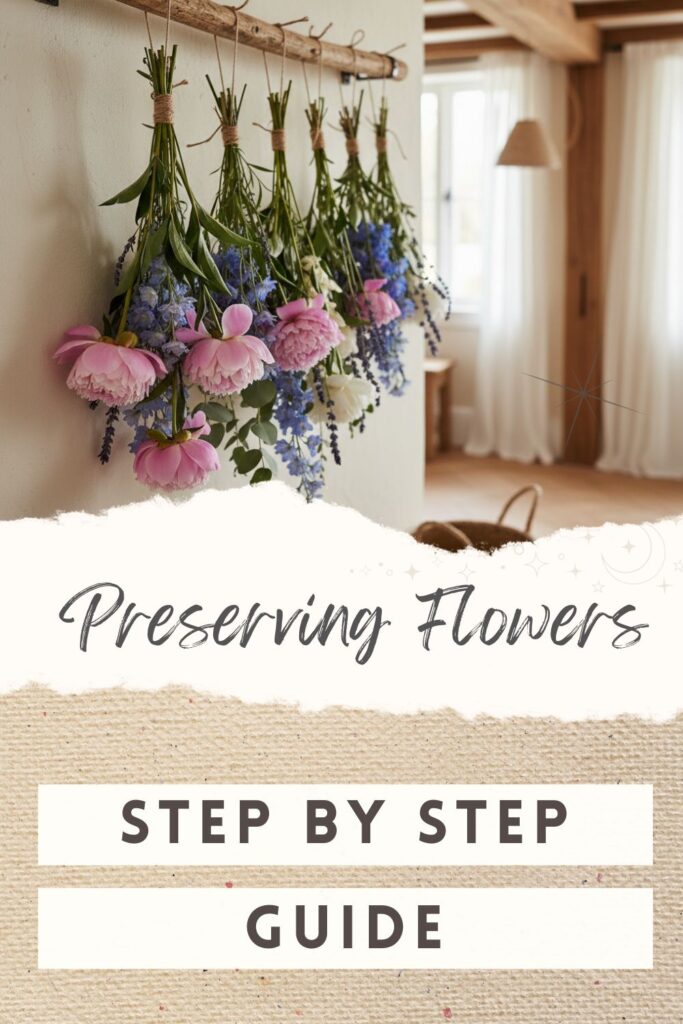
Timing makes a huge difference to how well flowers preserve. Flowers should be picked or preserved when they are fresh, dry, and at their best.
Choose blooms that are fully open but not starting to drop petals. Avoid flowers that are damp from rain or watering, as moisture can cause mould during preservation. If possible, cut flowers in the morning after the dew has dried, when stems are well hydrated.
Remove damaged petals and excess leaves before preserving. This helps the flowers dry evenly and look better once finished.
Method one: air drying flowers (the easiest method)
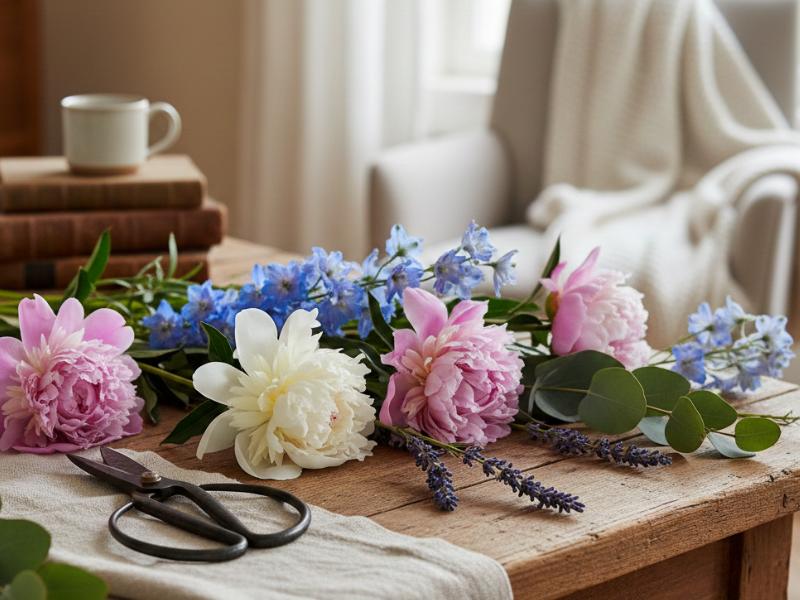
Air drying is the simplest and most traditional way to preserve flowers. It works especially well for flowers like lavender, roses, statice, strawflowers, and grasses.
Step by step air drying
- Start by stripping most of the leaves from the stems. Leaves hold moisture and slow down drying.
- Gather flowers into small bunches of no more than five to seven stems. Smaller bunches dry more evenly and reduce the risk of mould.
- Tie the stems together using string, twine, or elastic bands. Elastic is useful as stems shrink while drying.
- Hang the bunches upside down in a warm, dry, well-ventilated space away from direct sunlight. A spare room, airing cupboard, or loft space works well.
- Leave the flowers for two to four weeks until they feel crisp and dry to the touch.
- Once dry, gently remove them and store or display as desired.
Air-dried flowers tend to have a softer, more muted colour, which works beautifully for rustic and cosy decor.
Method two: pressing flowers (perfect for crafts and keepsakes)
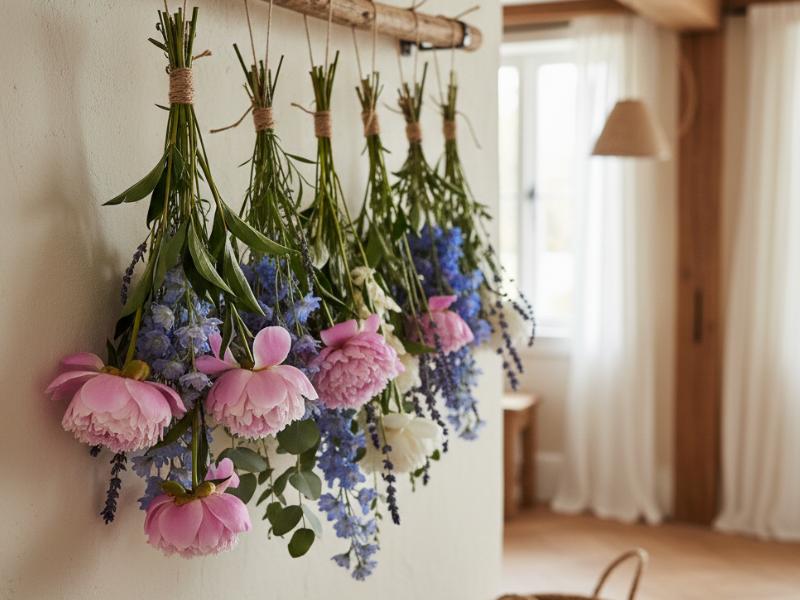
Pressed flowers are flat, delicate, and ideal for framing, cards, bookmarks, and journals. This method works best for thinner flowers such as daisies, pansies, cosmos, and petals.
Step by step flower pressing
- Place flowers between two sheets of absorbent paper such as baking paper or blotting paper.
- Arrange the flowers so petals are spread naturally and not overlapping.
- Place the paper inside a heavy book or a flower press.
- Stack additional books or weight on top to increase pressure.
- Leave undisturbed for two to four weeks, checking occasionally to replace damp paper if needed.
- Once fully dry, carefully remove the flowers using tweezers if necessary.
Pressed flowers are fragile, so handle them gently and store them flat.

Method three: drying flowers with silica gel (best for colour retention)
Silica gel is one of the best methods if you want flowers to keep their shape and colour. It is ideal for roses, peonies, dahlias, and sentimental bouquets.
Step by step silica gel drying
- Pour a layer of silica gel into an airtight container.
- Trim flower stems short or remove them entirely, depending on how you want to use the flowers.
- Place flowers face up on the silica gel.
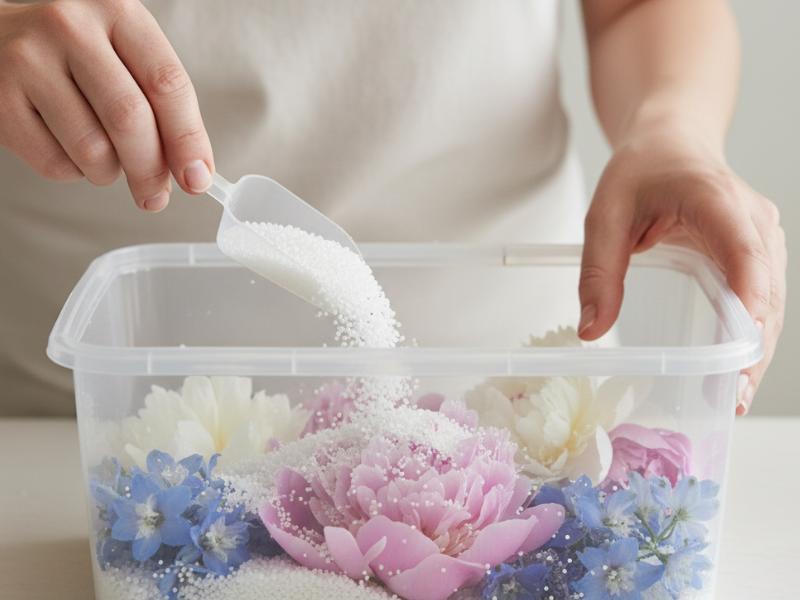
- Gently spoon silica gel over and around the flowers, making sure petals are supported but not crushed.
- Seal the container and leave for three to seven days.
- Check flowers carefully. When dry, gently pour away the gel and lift flowers out.
- Use a soft paintbrush to remove any remaining gel grains.
Silica gel-dried flowers look much closer to fresh flowers and are perfect for display pieces.
Method four: drying flowers in the microwave (fast but careful)
Microwave drying is a quicker version of silica gel drying and works well if you want results within minutes rather than days.
Step by step microwave flower drying
- Place flowers in a microwave-safe container filled with silica gel.
- Do not seal the container.
- Heat in short bursts of 30 seconds.
- Check flowers between each burst to avoid burning.
- Once dry, leave flowers to cool completely before removing.
This method requires patience and attention, but it can be very effective for small batches.

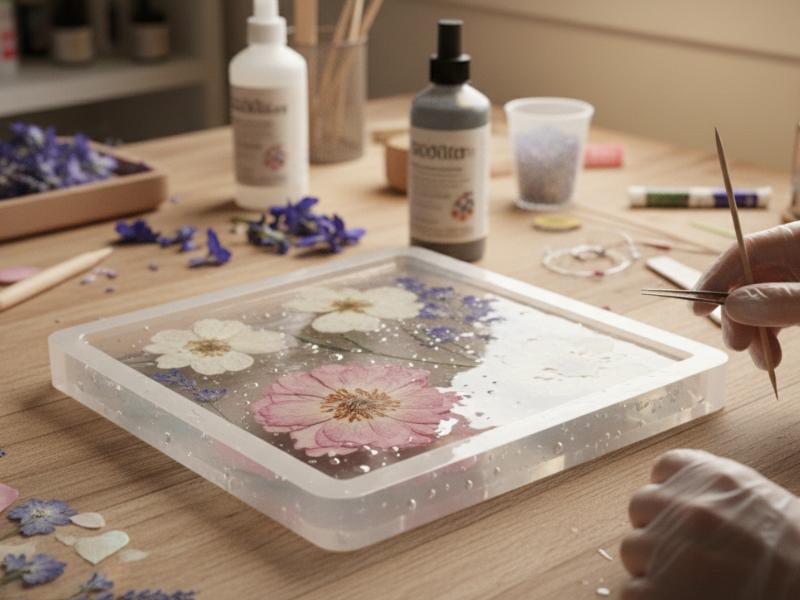
Method five: preserving flowers in resin (for long-term keepsakes)
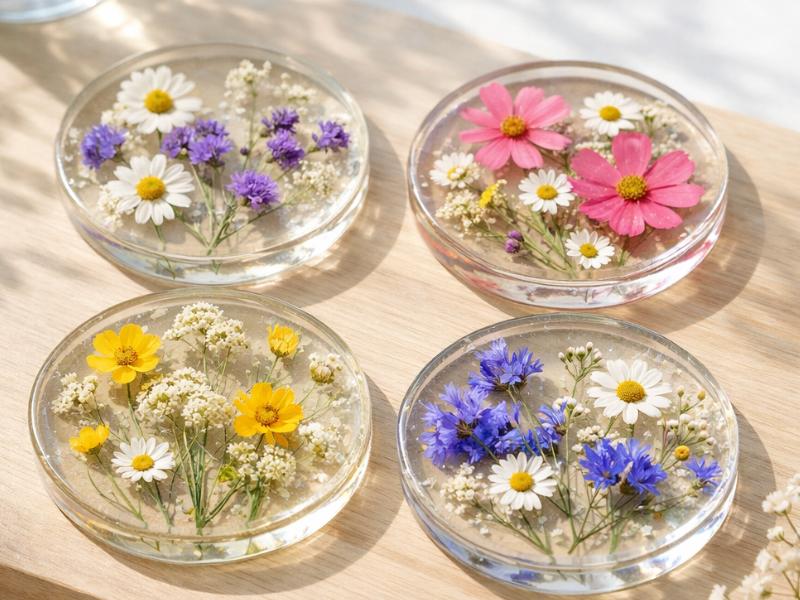
Resin preservation is ideal for jewellery, paperweights, customised coasters, and decorative pieces. Flowers must be fully dried before being set in resin.
Step by step resin flower preservation
- Dry flowers completely using air drying or silica gel first.
- Prepare resin according to manufacturer instructions.
- Pour a thin base layer of resin into your mould and allow it to partially set.
- Place flowers carefully into position.
- Pour additional resin slowly to fully cover the flowers.
- Allow resin to cure fully before removing from mould.
Resin preserves flowers almost indefinitely and makes beautiful personalised items.
What to do with preserved flowers
Once you have preserved your flowers, the fun really begins. Preserved flowers are incredibly versatile and can be used in everything from home decor to gifts and keepsakes. Whether you prefer a cosy cottage feel or something more modern, there are so many ways to enjoy them.
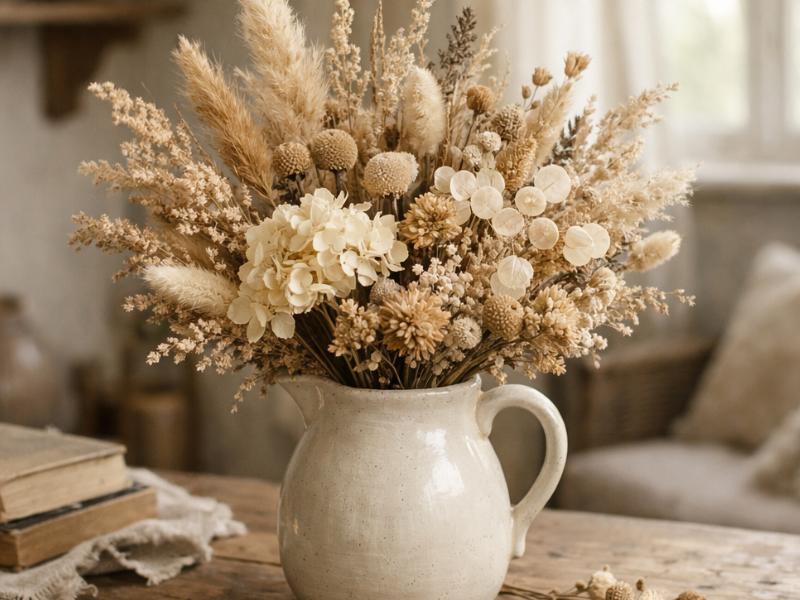
Create dried flower bouquets and arrangements
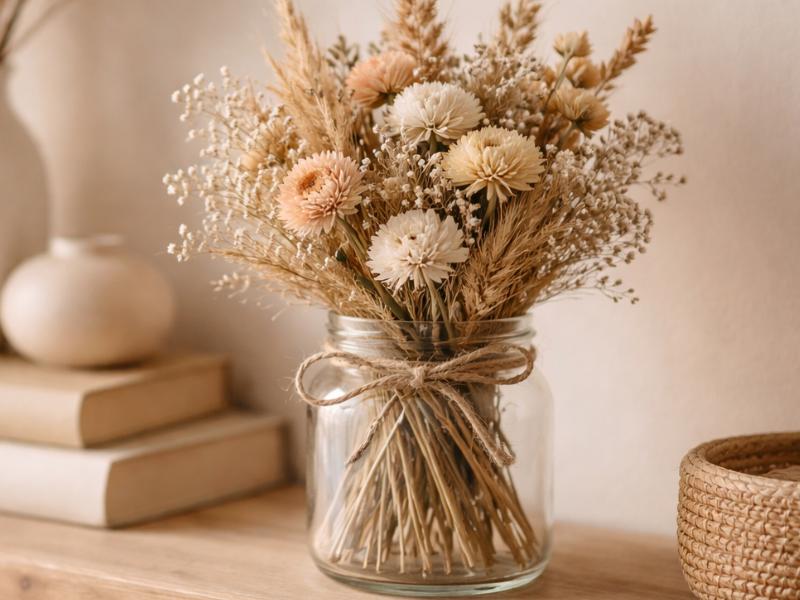
One of the simplest and most popular uses for preserved flowers is arranging them into dried bouquets. These work beautifully in vases, jugs, or bottles and can be styled seasonally or left out all year round.
Mix different textures like grasses, seed heads, and delicate blooms for a relaxed, natural look. Dried bouquets are perfect for shelves, bedside tables, and hallways where fresh flowers might not last.
Frame pressed flowers as wall art
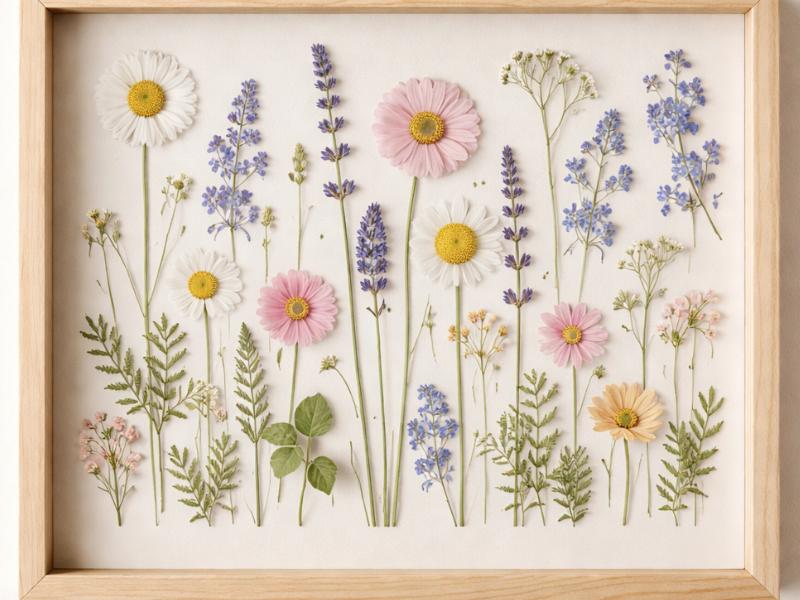
Pressed flowers make beautiful, minimalist artwork. You can frame individual blooms, create patterns, or arrange flowers into meaningful shapes such as hearts or initials.
This is a lovely way to preserve sentimental flowers and works especially well for gifts. Simple frames with white or natural backgrounds let the flowers take centre stage.
Make bookmarks, journals, and stationery
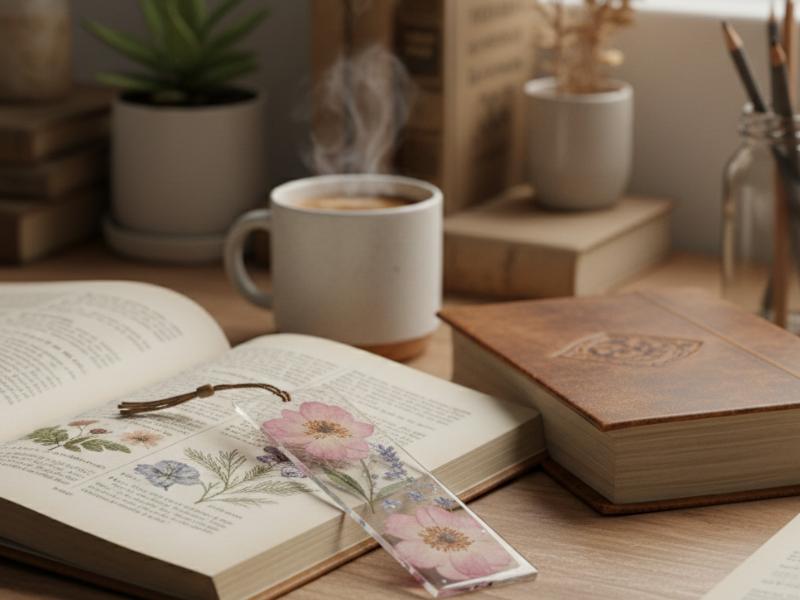
Pressed flowers are perfect for handmade bookmarks, journal covers, and cards. They add a personal, thoughtful touch and make everyday items feel special.
This is also a great way to use smaller or more delicate flowers that might not work in arrangements.
Create dried flower wreaths
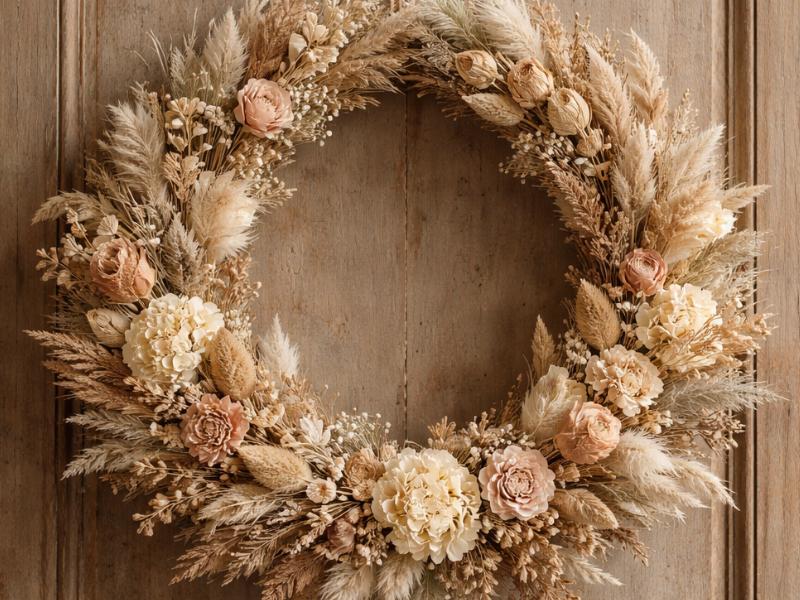
Dried flower wreaths are stunning and long-lasting, making them ideal for doors, walls, or seasonal decor. You can create neutral wreaths for year-round use or themed ones for autumn, winter, or spring.
Wreaths made from dried flowers are lightweight and easy to store when not in use.
Use preserved flowers in resin crafts
Resin is perfect for turning preserved flowers into long-lasting decorative pieces. Popular options include coasters, paperweights, jewellery, keyrings, and ornaments.
These make thoughtful gifts and are ideal for preserving flowers from special occasions.
Decorate candles with dried flowers
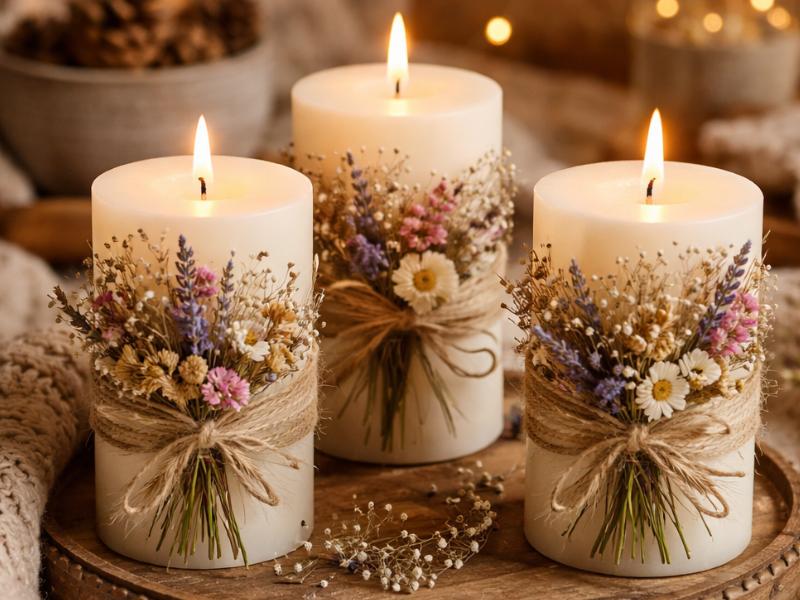
Dried flowers can be used to decorate candles for display purposes. These look lovely as shelf decor, table centrepieces, or gifts.
It is important that decorated candles are not burned, but they make beautiful ornamental pieces.
Make flower-filled jars and bottles
Glass jars, apothecary bottles, and cloches are perfect for displaying preserved flowers. This is an easy way to protect delicate blooms while still enjoying them.
This style works especially well for bedside tables, shelves, or bathroom decor.
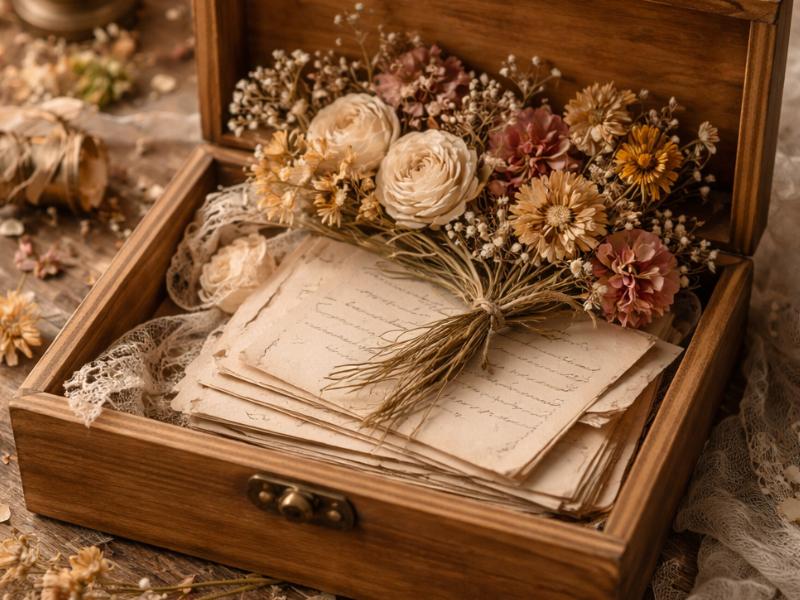
Create keepsake boxes or memory displays
Preserved flowers can be combined with notes, photos, or small objects to create memory boxes. These are ideal for sentimental flowers and meaningful moments.
They can be kept private or displayed as part of your home decor.
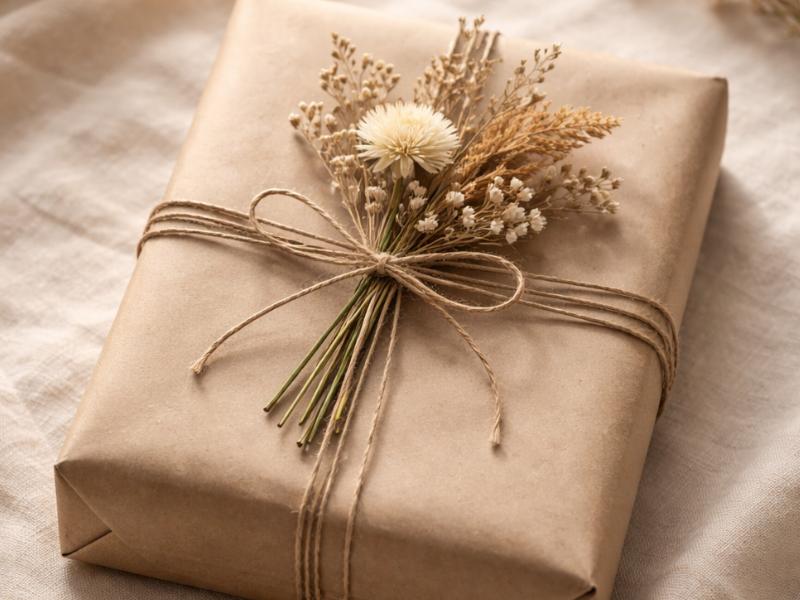
Add dried flowers to gift wrapping
A small bundle of dried flowers tied onto wrapped gifts instantly makes them feel more thoughtful and personal. This is a lovely low-effort way to elevate presents without spending extra money.
How to keep preserved flowers looking good
Preserved flowers last longest when kept away from direct sunlight, heat, and humidity. Display them indoors in dry rooms and avoid placing them near radiators or windows.
Lightly misting with hairspray can help strengthen very delicate air-dried or pressed flowers, but it is optional.
Handle preserved flowers as little as possible to prevent breakage.
Common mistakes to avoid when preserving flowers
- Trying to preserve flowers that are already wilting or damp
- Drying flowers in humid rooms
- Using bunches that are too large
- Exposing drying flowers to direct sunlight
- Rushing the process before flowers are fully dry
Preserving flowers allows you to enjoy your garden and special moments long after the season ends. It is budget-friendly, creative, and incredibly satisfying. Whether you want dried bouquets, pressed art, or long-lasting keepsakes, there is a method that fits your lifestyle.

